
Fewer Words, More Music
Listen on: Apple Podcasts | Spotify | Amazon Music | Stitcher
Kids hear verbal instructions all day long.
“Clean your room!” "Eat your dinner!” “Be nice to your brother!”
As a music therapist, I’ve learned that MUSIC can be an incredible tool for communication. Much like talking, actually!
In this blog post, I share how I use fewer words and more music in my interaction with kids. And I’ll share how you can do it, too.

COMMUNICATING WITH MUSIC
The way that we present music is really important, because we want to help support all kinds of different individuals, and to help them to be as successful as possible.
I have a story for you. In my first music therapy job many years ago, I was working in a sensory integration clinic that hosted a giant sensory-friendly holiday party for the kids we worked with. At this party, I was in charge of a large room dubbed “the music room,” which ended up being three hours of leading movement songs for kids that came in. I remember being very tired, but I have a crystal clear memory of something that happened as we were cleaning up. An overstimulated and dysregulated teenager came in and started running as fast as he could probably go around the perimeter of the room like he was unable to stop. He was breathing heavily, and seemed panicked and worried.
As I was watching I thought, “maybe there’s something I can do to help him regulate a bit.” So from my little corner of the room, I very quietly played him something on the guitar. “Run, run, run, run, run, and stop. Run, run, run, run, run, and stop.” At that point, I was watching very carefully because I didn’t want to make the problem worse. I certainly didn’t want to cause any harm, and music does have the potential to do that, especially when a child is frantic and overstimulated. But the first time I did this, there wasn’t a positive or negative response, so I decided to try it again with just a little more volume. Then I tried again and noticed that he was at least interested in what I was doing. The more I did it, the more interested he became until the fourth time when I got to the stop—he stopped. As if he were slamming on his own brakes, he instantly stopped. The momentum almost knocked him over so he had to balance himself, and then he let out a very deep sigh. He walked calmly out of the room without looking at me, and just like that, the whole interaction that maybe lasted a minute or two was over.
But this experience deeply effected me and how I communicate verbally and non-verbally with music from there on out for the rest of my career.
It was such a profound example of how music can disrupt neurologically. It can capture attention and, in this situation, help a teenager who was dysregulated, concerned, breathing heavily, and stuck in a pattern to stop and be able to rest and take a big sigh of relief. I am so sure that if I had approached him and suggested verbally that he try stopping, it wouldn’t have worked. So, why did the music work? Why did the music make that much of a difference?
My hunch is that it’s because the verbal instructions were stacked with a significant number of musical instructions.
STACKING COMMUNICATION
If you listen to the podcast episode, you will hear exactly what this “run and stop” tune sounded like. The lyrics themselves were giving instructions, but so was the melody, the style of guitar strumming, the chord progression, and the rhythm. Here is how I stacked them all together:

Melody - There is so much happening in the melody with the anticipatory thing going on, followed by the really clear cadence to “stop” at the end.
Chord Progression - I only used one chord for this, actually. But, I used a very solid-sounding chord that provided a musical foundation and stability for everything else that was happening on top of it. That in itself was providing musical instructions.
Rhythm - This didn’t have a clear “1, 2, 3, 4” marching rhythm, but instead a structured-yet-flexible flow that rumbled and stopped. Everything stopped at the same time to create this full moment of silence.
When these kinds of instructions are stacked, they are reinforcing each other, which helps us to be very communicative in our music. Therefore, kids can respond to it no matter what kind of learner or processor they may be.
I don’t mean to say that every child is going to respond to this, though. It all depends on each individual and their neurodiversity as to how they will respond. But, what I do mean to say is that we are increasing our chances that more children will be able to respond and hear what we are trying to communicate in the music.
PERMISSION
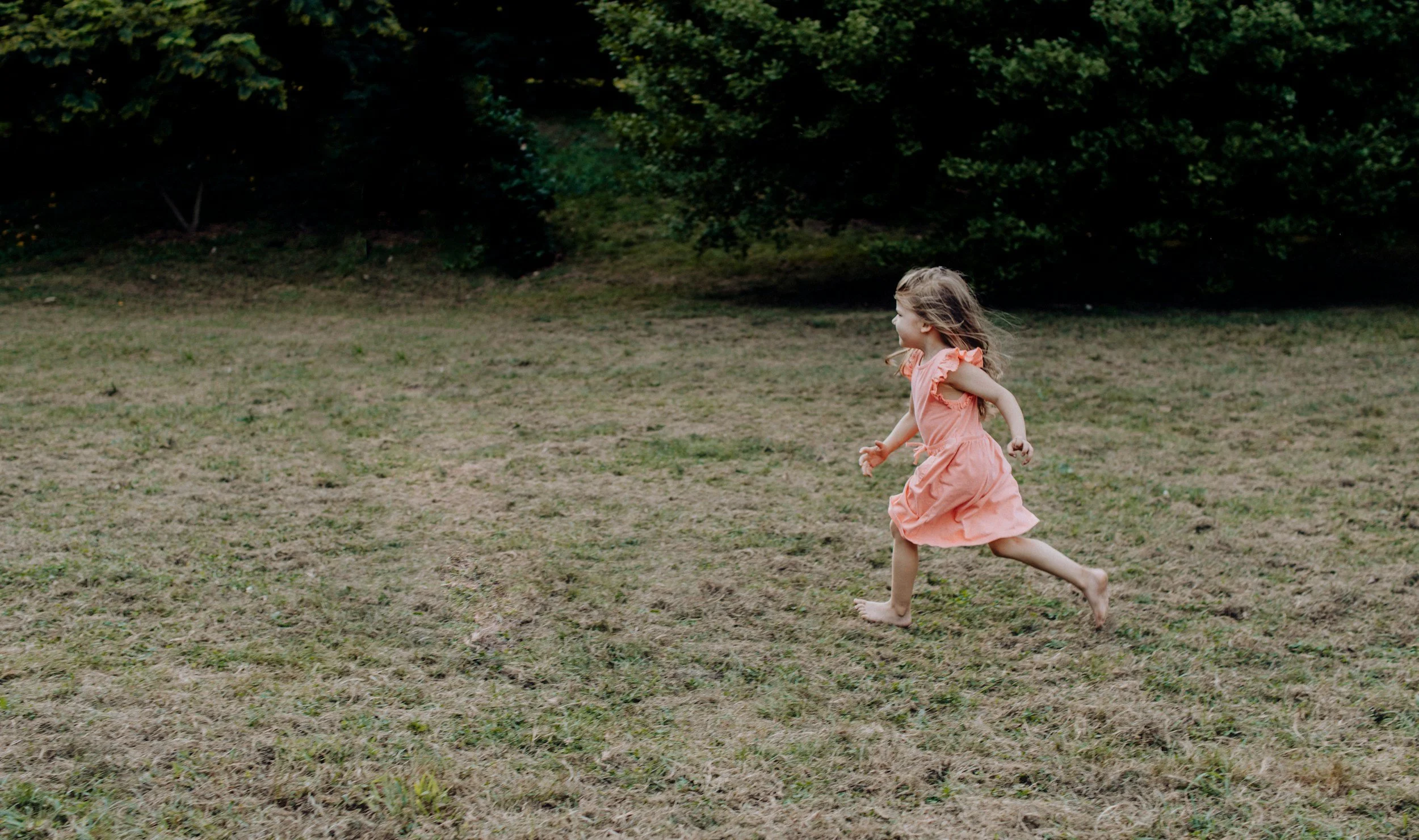
There is one more very, very important element that absolutely needed to be in the song—permission. The song was so short and so simple. But, within the song is also permission given to him to run. It acknowledges: “It looks like your body really needs to run right now, so go ahead and run.” I don’t know what was happening internally for him, but it’s possible that he was trying to stop. But, seeing that his body needed him to run, I gave him permission followed by the suggestion of, “here’s neurologically what you might need to actually stop when you are ready.”
PRACTICAL APPLICATIONS
I want to give you a couple of examples where you might start using this technique of stacking communication right away that are very simple. Again, you can listen to exactly what these sound like on this podcast episode.
1. Adding a sung “Sit down” - Use this at the end of your movement songs or to transition to whatever is coming next. Here is how you can stack your communication:
-Verbal instruction: Simply singing the words, “sit down.”
-Melody: “Falls down” to follow the movement of sitting down. The anticipatory cadence captures attention, landing on tonic to give finalization of movement.
-Chord progression: Uses only a major triad from a single chord for simplicity, and to provide a solid foundation.
-Rhythm: No strict rhythm, but flows with the anticipatory cadence to capture attention.
2. Modified version of Jim Gill’s song, “Silly Dance Contest.”

I love this song and use it all the time, but I’ve modified it a little bit in order to make my instructions as clear as possible. The original lyrics are: “And stop when I say freeze, freeze.” My modified lyrics are: “And stop when I say freeze.” The music and everything stops all together to clearly communicate what is happening, and is just a small shift of how I’m giving the instructions. Even something as simple as muting your guitar strings when you are giving a “stop” instruction is going to increase your communication.
With whatever song you are using to give instructions, make sure that all of your stacked instructions within the song are in sync.
Today’s song:
I want to share a song with you that was completely inspired by this story, and created with this scenario in mind. It’s called “The Wandering Song.” This is a song that I use to validate children while they're (you guessed it) wandering, and gently & kindly provide them with some structure and instructions within the music.
🎵 Download the PDF of the “Wandering Song” here.
*and if you would like to receive the chords + lyrics + mp3 of original songs every month, subscribe to the Song-Of-The-Month Newsletter to get everything right in your inbox.
We have partnered with West Music to offer free shipping on orders above $59.95 to Music For Kiddos Podcast’s listeners. Check out their incredible instruments and their incredible offerings at WestMusic.com or you can place your order at their customer service hotline at (800) 397-9378.
The code for free shipping is KIDDOS26. Make sure to check them out!
Let’s keep in touch!
Song-of-the-Month Club (FREE!)
Thanks for tuning in!
Thanks for joining us on the Music for Kiddos podcast! If you enjoyed this episode, please head over to Apple Podcasts and tell us what you think by leaving a review! Don’t forget to sign up for the Song-of-the-Month-Club to receive a free, high-quality original song every month, or hang out with us on Instagram to stay connected.
This post contains affiliate links. As an Amazon Associate, I earn from qualifying purchases. I may receive a commission if you purchase through my links, at no extra cost to you. That being said, we only promote things we absolutely LOVE!